What Are G-values and Why Do They Matter?
When researching energy efficient windows or glazing, you may come across the term G-value. But, what does it actually mean?
G-values measure how much solar heat passes through your glass and into a building. Sometimes called the solar factor or solar heat gain coefficient, it helps indicate how much warmth from sunlight will enter your home through the glazing.
Our team has put together this guide explaining everything you need to know about G-values in glass and how they may impact your glazing choices for your next Lincolnshire, Nottinghamshire or Yorkshire home project.
Calculating G-values
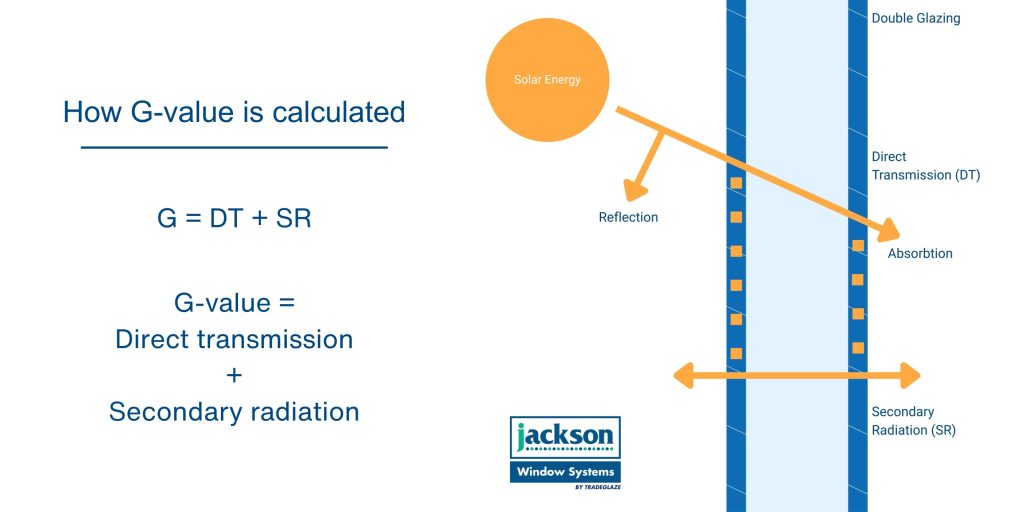
G-values are calculated from the direct energy transmitted through the glass plus the energy absorbed by the material and emitted into your home.
Is a higher or lower G-value better?
G-values are measured on a scale from 0 to 1.
- Higher G-values allow more solar heat to pass through the glass.
- Lower G-values reduce the amount of solar heat entering the building.
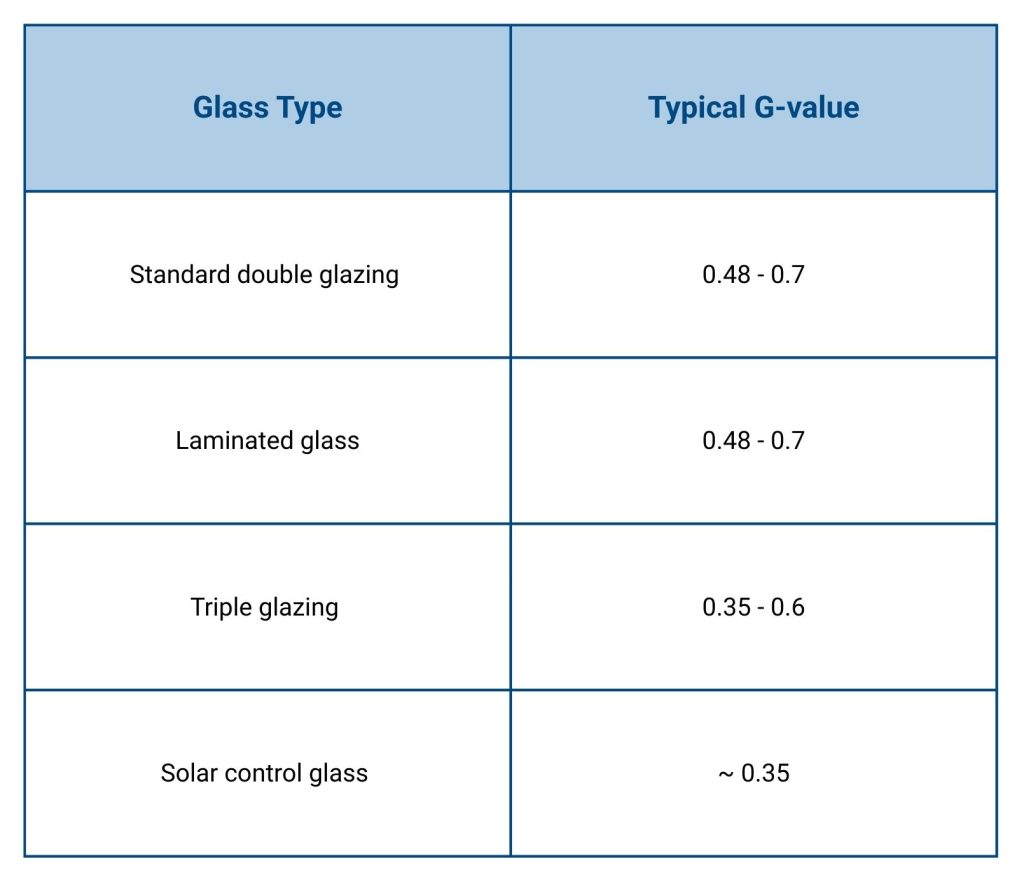
In practice, most modern glazing falls between 0.2 and 0.7, depending on the glass specification and coatings used.
There is no universally good or bad G-value. Different glazing solutions are designed for different goals, such as maximising natural warmth in winter or reducing overheating in bright rooms. The ideal window G-value often depends on the local climate and the position of the window.
How to choose the right G-value for your windows?
Choosing the right glass for your windows can often be done on a room-by-room basis, as different spaces may benefit from different glazing properties.
Homes in cooler climates may benefit from a higher G-value, which allows more solar heat from the sun to enter the home, helping to reduce heating costs during colder months.
This type of glazing can also be combined with solutions such as integral blinds, that allow you to control sunlight and reduce overheating during warmer months while still benefiting from solar gain when needed.
For larger expanses of glass or south-facing rooms, where overheating or glare may be a concern, a lower G-value may be preferable. This helps keep rooms cooler and can reduce glare, while still maintaining plenty of natural daylight.
What is the difference between G-values and U-values?
U-values and G-values are both metrics that measure the performance of your windows.
While U-values measure how much heat is lost through your window and how well it insulates your home, G-values measure how much solar heat passes through your window into your home.
Generally speaking, the lower the U-value, the better the insulation performance of the window.
What are the typical G-values for windows?
Where to get in touch about glazing with specified G-values?
At Jackson Windows, we are committed to leading the way with innovative, high-quality designs. We are FENSA registered with over 30 years of experience. Serving Lincolnshire, Nottinghamshire and South Yorkshire.
We manufacture in house and use local suppliers where possible. Jackson Window’s reputation precedes us, with over 100 outstanding customer reviews. You can read what our customers say about us here.
Explore modern glazing technology with Jackson Windows. Start your quote online below or call us at 01522 541294 and one of our advisors will be ready to help you. Our showroom is located at 16 Bishops Road, Lincoln. We can’t wait to work with you.